
Material Testing Standards
Hey there, fellow earth enthusiast! Have you ever wondered what keeps those skyscrapers standing tall or how those bridges manage to support tons of weight without a hitch? Well, the answer lies beneath your feet—literally. It’s all about material testing, especially in geotechnical investigation engineering soil test services. Yep, we’re going to dig deep (pun intended) into the world of material testing standards and why they matter. So, grab your hard hat and let’s get dirty!
What is Material Testing?
Material testing is like the doctor’s check-up for construction materials. Just as you wouldn’t want to run a marathon without knowing your heart can handle it, we don’t want to build structures without ensuring the materials can handle the load. In geotechnical engineering, this means testing the soil to make sure it’s up to snuff.
Why Are Material Testing Standards Important?
Imagine baking a cake without a recipe. You might end up with something delicious, or you might create a disaster that even your dog won’t eat. Material testing standards are like recipes—they provide a consistent, reliable way to ensure that materials meet certain criteria. This consistency is crucial for safety and reliability in construction.
Common Material Testing Standards
There are several key standards that geotechnical engineers rely on. These include ASTM (American Society for Testing and Materials), AASHTO (American Association of State Highway and Transportation Officials), and ISO (International Organization for Standardization). Each of these bodies has developed specific methods for testing materials to ensure they meet the necessary requirements.
ASTM Standards
ASTM standards cover a wide range of materials and tests. For soil testing, some commonly used standards include:
- ASTM D4318: Atterberg Limits
- ASTM D698: Standard Proctor Test
- ASTM D2487: Soil Classification
AASHTO Standards
AASHTO standards are particularly important for highway construction. Some relevant tests include:
- AASHTO T99: Moisture-Density Relationship
- AASHTO T180: Modified Proctor Test
ISO Standards
ISO standards ensure international consistency in material testing. For soil testing, ISO 17892 provides guidelines on various methods, including density and shear strength tests.
The Soil Testing Process
Now that we’ve got the boring stuff out of the way, let’s talk about what happens when we actually test soil. It’s not just about playing in the dirt (though that’s a perk). Here’s a breakdown of the process:
1. Sampling
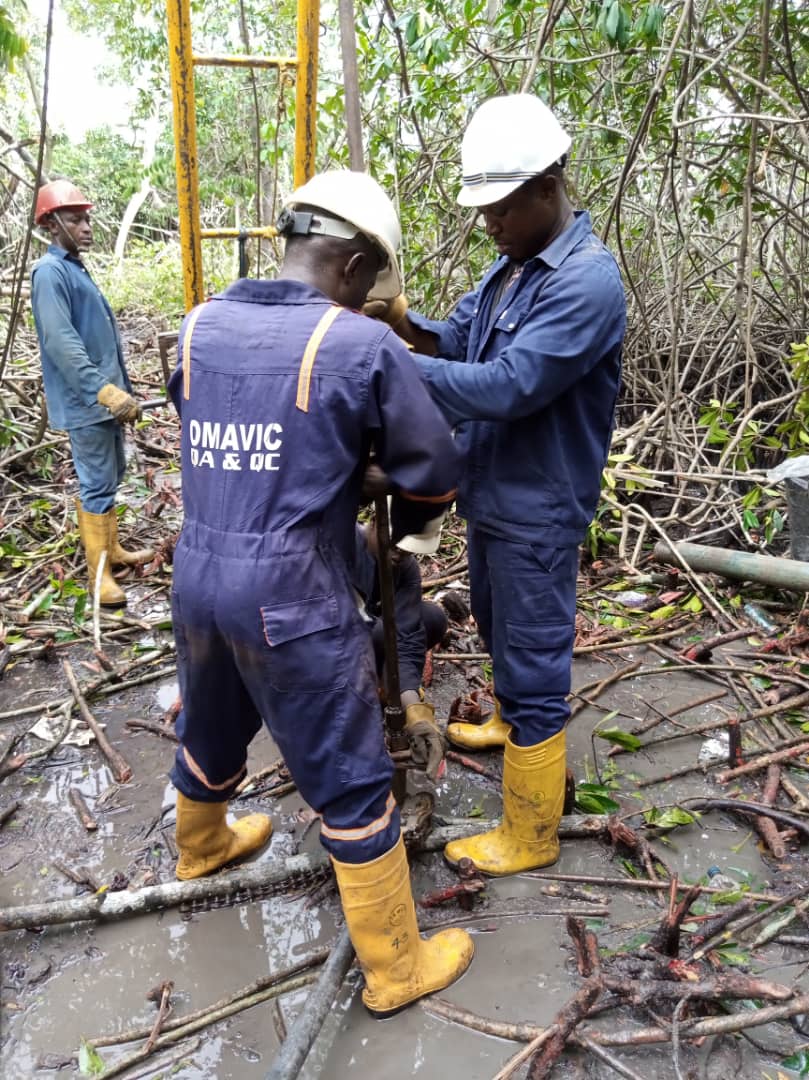
First, we need a sample. This involves drilling into the ground and extracting soil samples at various depths. It’s like digging for treasure, but instead of gold, we’re after data.
2. Laboratory Testing
Once we’ve got our samples, it’s off to the lab. Here, we run a series of tests to determine properties like moisture content, density, and shear strength. It’s like putting the soil through a fitness test to see if it’s in shape.
3. Analysis
After testing, we analyze the results. This involves comparing the data to the relevant material testing standards to see if the soil is suitable for construction. If not, we might need to make some adjustments or find a different site.
Comic Relief: Soil Testing Gone Wrong
You know what they say—never work with animals or children. I’d like to add soil to that list. One time, during a particularly rainy season, we had to take soil samples in a field that had turned into a mud pit. By the time we were done, we looked like we’d been mud wrestling. Our equipment was stuck, we were stuck, and I’m pretty sure we found a lost boot from a previous expedition. Lesson learned: always check the weather forecast!
FAQs About Material Testing
1. What is material testing?
Material testing involves evaluating the physical and chemical properties of materials to ensure they meet specific standards for construction and engineering purposes.
2. Why is material testing important in geotechnical engineering?
It ensures the safety, stability, and longevity of structures by verifying that the soil and other materials can support the intended loads.
3. What are some common material testing standards?
Common standards include ASTM, AASHTO, and ISO, each providing specific methods for testing various materials.
4. How is soil sampled for testing?
Soil is sampled by drilling into the ground and extracting samples at various depths for laboratory testing.
5. What tests are performed on soil samples?
Tests include moisture content, density, shear strength, and classification tests like Atterberg limits and Proctor tests.
6. What happens if soil doesn’t meet the standards?
Adjustments might be needed, such as soil stabilization or choosing a different construction site.
7. Can material testing be fun?
Absolutely! Especially if you enjoy getting your hands dirty and solving complex engineering puzzles.
8. How often should material testing be done?
It depends on the project, but typically at the start of a project and whenever there are changes in site conditions.
And there you have it! A crash course in material testing standards with a dash of humor. Remember, when it comes to construction, it’s better to be safe (and a little muddy) than sorry!
contact us for your material testing needs. Click HERE